Top 10 Reasons Why Does My Cat Only Eat Treats Not Food?

Time:2026-05-25 Author:Liam
0%

Is your feline friend turning up its nose at regular food? You might be wondering, "why does my cat only eat treats and not food?" This behavior can be perplexing for cat owners. It often raises concerns about nutrition and health. Cats are known for their unique eating habits, and preferring treats could signal various issues.

Cats are inherently picky eaters. Factors such as flavor preferences and texture can influence their choices. Some treats are irresistibly flavored or crunchy, making them far more appealing than standard cat food. Additionally, health issues may play a role. Dental problems or gastrointestinal discomfort can lead to selective eating habits.

Understanding your cat's behavior requires careful observation. You may need to experiment with different foods and monitor your cat's reactions. If your cat refuses all but treats, it might be time to consult a veterinarian. Their expertise can help uncover any underlying health problems. Remember, being attuned to your cat's needs is crucial in ensuring a balanced diet and overall well-being.
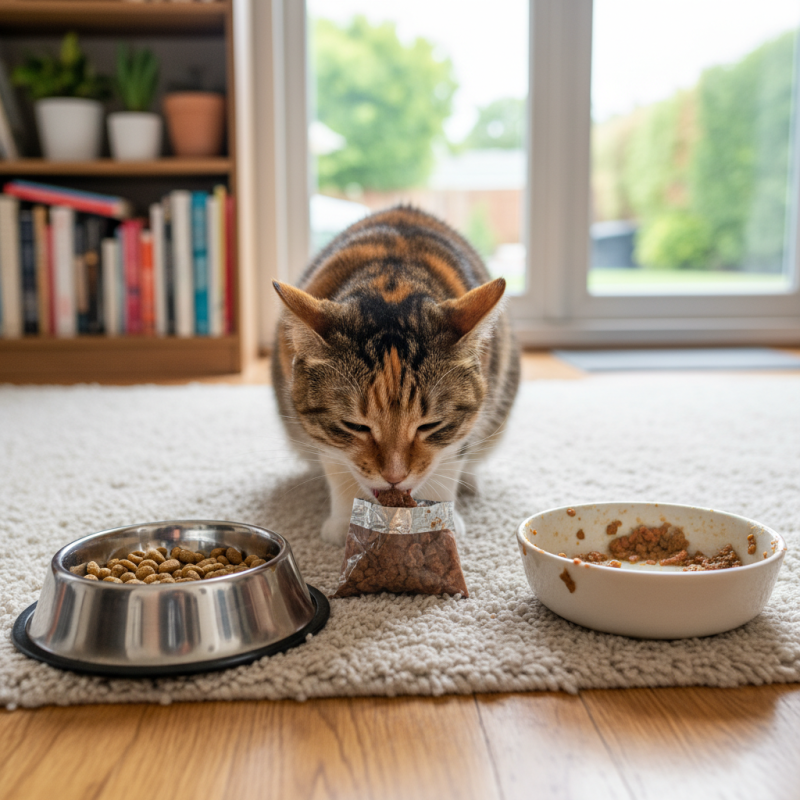
Top 10 Reasons Why Does My Cat Only Eat Treats Not Food?

Understanding Cat Preferences: Treats vs. Regular Food

Cats can be picky eaters. Many owners notice their pets prefer treats over regular food. Understanding why this happens can help improve your cat's diet.

One reason is flavor. Treats often have stronger flavors and enticing aromas. They resemble prey, making them more appealing. In contrast, regular food might lack the same enticing qualities. The texture can also play a role. Soft, crunchy, or even chewy treats might attract your cat more than dry kibble.

Tip: Try warming up your cat's regular food. Heat can enhance its aroma and make it more appealing.

Another factor is behavior. Cats can develop habits. If they receive treats often, they might refuse to eat available food. This can lead to a cycle that may affect their health. Regular meals should be part of their routine.

Tip: Gradually mix treats with regular food. This can ease the transition and balance their diet.

Understanding your cat's preferences is essential for their well-being. Observe their eating habits closely. Small changes in feeding routines can make a big difference.

Evaluating the Nutritional Balance of Cat Treats

When it comes to cat nutrition, many owners wonder why their pets prefer treats over regular food. One crucial factor is the nutritional balance of these treats. Cat treats often contain high levels of protein and fats. This combination is appealing to your feline friend. However, these treats may lack essential vitamins and minerals. Understanding what goes into your cat's treats is vital.

Cats are obligate carnivores. Their bodies require a specific balance of nutrients. While treats can provide quick satisfaction, they should not replace complete meals. Too many treats can lead to nutritional deficiencies. Cats may be drawn to the flavors, but the lack of balanced nutrition can cause long-term health issues.

Reflecting on your cat's eating habits is important. Are you unintentionally training them to favor treats? It’s easy to fall into a pattern where treats become the highlight of their diet. Monitoring your cat's overall health ensures they receive the necessary nutrition. Always consult with a veterinarian for tailored advice on balancing treats with regular food.

Exploring the Role of Texture and Flavor in Cat Food Choices

Cats are known for their particular tastes, often preferring treats over regular food. This picky behavior can frequently stem from the sensory properties of their meals. Cats are instinctual eaters, drawn to textures they find appealing. Crunchy treats often mimic the sound and feel of prey, engaging their natural hunting instincts. In contrast, softer kibble may be less enticing, causing a lack of interest.

Flavor plays an equally crucial role. Cats possess a unique palate, and their taste buds differ significantly from those of dogs or humans. They prefer richer flavors, often found in treats designed to be extra flavorful. If a cat finds regular food bland, it may ignore it in favor of more enticing options. Observations show that cats can exhibit preferences based on past experiences with food. A single unpleasant encounter with a specific type of food can lead to a long-term aversion.

Texture and flavor are intertwined in a cat's dining preferences. A cat may instinctively avoid certain foods that do not stimulate its senses. This behavior can feel frustrating for owners. It's important for cat owners to consider their pet's sensory preferences. Experimenting with different textures and flavors can often lead to better meal acceptance. Reflecting on a cat's choices can deepen the understanding of their unique dietary needs.

Identifying Behavioral Factors Influencing Cats' Eating Habits

Understanding why your cat focuses on treats rather than regular food can be puzzling. Several behavioral factors can influence this choice. Cats are creatures of habit. If they associate treats with positive experiences, they may develop a preference. Sometimes, it simply boils down to their instinctual behaviors. Flavors and textures play a significant role in their selection.

For pet owners, trying to alter this behavior requires patience. Start by mixing a small amount of food with treats. This gradual approach can help your cat adjust. Observe their reactions carefully. You may find they enjoy the food more than before.

Another tip: create a calm eating environment. Minimize distractions during mealtime. Cats are sensitive to their surroundings, and stress can discourage them from eating. Encourage positive associations by offering praise. Yet, remember, cats are unique. What works for one may not work for another. Stay flexible and attentive to their needs.

Top 10 Reasons Why Does My Cat Only Eat Treats Not Food? - Identifying Behavioral Factors Influencing Cats' Eating Habits

Reason Description Behavioral Influence
Taste Preference Cats may prefer the flavor and texture of treats over regular food. Strong preference for certain flavors.
Conditioning Cats can be conditioned to expect positive reinforcement with treats. Associative learning.
Boredom Regular food might lack excitement, leading to a preference for treats. Need for mental stimulation.
Dental Issues Discomfort from dental problems can make eating regular food painful. Sensitivity to texture and chewing pain.
Health Problems Underlying health issues can affect appetite for regular food. Physical health influence on eating habits.
Age Older cats might develop preferences as their senses decline. Changes in sensory perception.
Stress Stressful environments may lead to changes in eating habits. Emotional state impacting appetite.
Food Quality Cats may reject lower quality food for higher quality treats. Discrimination based on quality.
Routine If treats are given at certain times, it can create a routine preference. Establishment of feeding habits.
Social Influences Cats may be influenced by other pets or even the behavior of their owners. Social learning and influence.

Consulting a Veterinarian: When to Seek Professional Advice

When a cat prefers treats over regular food, it may indicate underlying health issues. One possible concern is dental pain, which makes chewing painful. Inspecting your cat's mouth can reveal signs of gum disease or broken teeth. Any hesitation to eat may stem from discomfort. Another possibility is that your cat has grown accustomed to the rich flavors of treats. They often contain high levels of fats and sugars, making them more appealing.

Consulting a veterinarian is crucial in these situations. A professional can perform a complete health check. They can identify problems that might not be visible to the owner. Your vet may suggest a diet change to encourage balanced nutrition. Observing your cat's behavior is vital. Take note of any unusual signs, such as changes in energy levels or litter box habits. This information can assist your veterinarian in making an accurate diagnosis. Regular check-ups also help in maintaining your cat’s overall health.

FAQS

: Why do cats prefer treats over regular food?

: Treats often have stronger flavors and enticing aromas, resembling prey. Regular food may lack these qualities.

How can I make regular food more appealing to my cat?

Try warming up the food. Heat enhances aroma, making it more enticing for your cat.

Are cat treats nutritionally balanced?

Treats can be high in protein and fats but often lack essential vitamins and minerals. They should not replace meals.

What happens if my cat eats too many treats?

Overindulgence in treats can lead to nutritional deficiencies and health issues. Balance is crucial for their well-being.

How can I change my cat's eating habits?

Gradually mix treats with regular food to encourage a more balanced diet. Patience is key during this process.

Why is a calm eating environment important for my cat?

Cats are sensitive to stress. A calm space minimizes distractions and encourages better eating habits.

How can I monitor my cat's health regarding treats?

Observe their behavior and overall health. Consult a veterinarian for tailored advice on their diet.

Can cat preferences change over time?

Yes, habits can evolve. Stay flexible and attentive to your cat's needs and preferences.

Should I give my cat treats as a reward?

While positive, frequent treats may reinforce preference for them over regular food. Use moderation.

How can I ensure my cat's diet is balanced?

Regular meals should be consistent. Monitor intake and consult with a vet for proper nutrition guidance.

Conclusion

In addressing the question of "why does my cat only eat treats and not food," it's essential to understand the underlying factors influencing feline dietary preferences. Cats often show a preference for treats over regular food due to various reasons, including individual taste preferences, the appeal of certain textures and flavors, and possible dietary imbalances. Treats are generally richer in flavor, which may explain their allure.

Additionally, behavioral factors play a significant role in a cat's eating habits. Stress, habit formation, and even the feeding environment can influence a cat's willingness to eat regular food. To ensure a balanced diet and prevent potential health issues, it's advisable for cat owners to consult a veterinarian, especially if their pets consistently refuse to eat regular meals. Understanding these elements can help cat owners address their pets' preferences and ensure they are receiving adequate nutrition.

Liam

Liam

Liam is a dedicated marketing professional with a profound expertise in the industry, where he excels at highlighting the unique advantages of our core products. With a keen understanding of market trends and consumer needs, Liam frequently updates our company’s professional blog, providing......