Many pet owners love to show their affection with treats. However, can too many treats make pets overweight? This is a crucial question for anyone who wants a healthy pet. Obesity in pets can lead to serious health issues, including diabetes and joint problems. Treats are often high in calories and may not provide the essential nutrients your pet needs.
Consider the common idea that "a little treat won’t hurt." While one cookie seems harmless, it can add up quickly. Feeding multiple treats daily can push your pet’s weight beyond a healthy range. A small dog may only need a few calories per day to maintain a stable weight. Yet, treating them can easily double or even triple their caloric intake.
Pet owners must reflect on their feeding habits and assess how many treats are truly beneficial. Instead of reaching for the bag of commercial snacks, consider healthier alternatives. Fresh fruits and vegetables can be excellent options. However, moderation remains key. Understanding the effects of over-treating is essential for every pet parent.
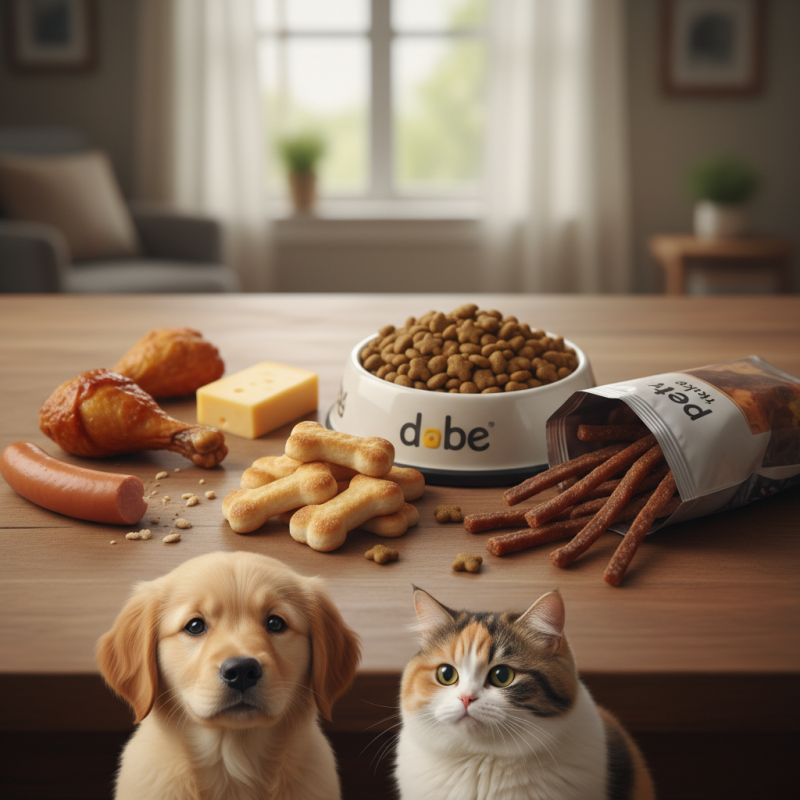
When it comes to keeping our pets healthy, we often overlook human foods. Many familiar treats can pose serious risks to our furry friends. Chocolate, for instance, contains theobromine, which can be toxic. Even small amounts can make pets ill. Grapes and raisins also rank high on the danger list. They can cause kidney failure in dogs, sometimes without any warning signs.
It's not just sweet treats that can be harmful. Foods high in fat, like fried products, can lead to obesity and pancreatitis. Onions and garlic, often used in cooking, can damage red blood cells in pets. Xylitol, a common sugar substitute, is extremely toxic to dogs. Even a small bite can result in a rapid drop in blood sugar.
Pet owners need to stay informed and cautious. A little indulgence might seem harmless, but it could lead to severe health issues. Remember, our pets rely on us for their well-being. They are not equipped to handle the same foods we enjoy. Always opt for pet-safe treats to keep them healthy and happy.
Excessive consumption of certain human foods can lead to obesity and other health issues in pets. This chart illustrates the potential weight gain impact on pets from commonly consumed human foods that are harmful to them.
When it comes to pet treats, not all options are created equal. Many high-calorie treats can lead to unwanted weight gain. It's essential to choose wisely. Remember, a small number of extra calories each day can add up over time. Your pet may not show immediate signs of weight gain, but it can sneak up on them quickly.
Some common high-calorie treats include fatty meats and processed snacks. These often contain hidden sugars and fillers. Even seemingly healthy options can surprise you with their caloric content. A single treat might seem harmless, but if it's dense in calories, it can hinder your pet's health. Consider raw vegetables as a low-calorie alternative. They can be a crunchy delight without the weight gain.
Reflect on your pet's activity level too. An active dog might burn off more calories, but sedentary pets need fewer treats. Paying attention is vital. Even if your pet begs for that extra treat, think about their long-term health. Weight management is a journey, and each choice contributes to their overall well-being.
When treating pets, portion control plays a crucial role. Many pet owners underestimate the calories in treats. It's easy to overindulge, thinking a few extra bites won't hurt. Unfortunately, this can lead to an overweight pet. Keeping track of treat portions helps maintain a healthy weight.
One effective tip is to measure treats before giving them to your pet. Use a small container to control the amount. This ensures you do not exceed the recommended daily limit. Opt for low-calorie options when available. Look for treats that are less processed and made from natural ingredients. They can often provide enjoyment without the excess calories.
Finally, incorporate physical activity into your pet's daily routine. Walk your dog or engage in playtime with your cat. This not only burns calories but also strengthens your bond. Treats should be a subtle reward, not a main meal component. A mindful approach to snacks fosters a healthier lifestyle for your furry friends.
| Treat Name | Calories per Treat | Recommended Daily Limit (per 10 lbs) | Fat Content (%) | Common Weight Gain Risk |
|---|---|---|---|---|
| Bacon Treats | 45 | 3 Treats | 25 | High |
| Cheese Cubes | 70 | 2 Treats | 30 | Medium |
| Peanut Butter Cookies | 90 | 2 Treats | 20 | Medium to High |
| Beef Jerky | 135 | 2 Treats | 35 | High |
| Salmon Snacks | 80 | 2 Treats | 15 | Medium |
| Crispy Fish Treats | 50 | 4 Treats | 10 | Low to Medium |
| Chicken Nuggets | 120 | 2 Treats | 28 | High |
| Lamb Chops | 150 | 1 Treat | 40 | Very High |
| Potato Snacks | 60 | 3 Treats | 18 | Medium |
| Turkey Bites | 110 | 2 Treats | 25 | High |
When selecting treats for your pet, hidden sugars are a significant concern. Many pet treats contain ingredients that aren’t immediately obvious. For example, treats may list “corn syrup” or “sucrose” as components. These sugars can contribute to unnecessary weight gain and health issues for your furry friend. It’s essential to read labels carefully and understand what you’re feeding your pet.
Sometimes, treats labeled as “natural” or “healthy” still contain high levels of sugar. These misleading terms might make you assume they are safe. Keep an eye out for ingredients like dextrose, which can be common in seemingly innocent snacks. Even small amounts of sugar can add up over time, leading to obesity and related diseases.
It’s a good idea to consider alternatives. You can offer fresh fruits or vegetables, depending on what your pet can safely eat. Recognizing these hidden dangers can help ensure you choose wisely. Reflection on your pet's diet is crucial. Are you treating them for behavior or merely out of habit? The right choices can lead to a healthier, happier pet.
When choosing snacks for your pet, be mindful of unhealthy ingredients. Many treats contain high levels of sugar. This can lead to obesity and other health issues. Dogs and cats don’t need sugar in their diets. They find it in their regular food, and excess sugar harms them.
Artificial preservatives are another concern. These chemicals improve shelf life but can have negative effects. They may lead to skin allergies and digestive problems. You should read labels carefully. Avoid ingredients like BHA and BHT. They are often found in cheaper products.
Filler ingredients are abundant in some pet snacks. Corn and soy are common fillers. They provide little nutritional value and can cause allergies. It’s essential to choose snacks that have real meat or vegetables. Fresh ingredients are vital for your pet’s health. Always be cautious and prioritize quality over quantity.
: Check labels for terms like "corn syrup" or "sucrose." These are often hidden sugars.
Not necessarily. Many "natural" treats still have high sugar levels. Always read the ingredients.
Look out for dextrose, which is often in seemingly harmless snacks.
Yes, excess sugar can lead to obesity and health problems over time.
Fresh fruits or vegetables can be good alternatives. Ensure they are safe for your pet.
Yes, consider if you're treating them for behavior or just out of habit.
Avoid high sugar levels, artificial preservatives, and fillers like corn and soy.
Fillers offer little nutrition and can cause allergies. Prioritize snacks with quality ingredients.
Artificial preservatives may cause skin allergies and digestive problems. Be cautious with them.
Focus on quality ingredients, like real meat or vegetables, rather than cheap fillers.
In the discussion of pet health, it’s crucial to address the question, "can too many treats make pets overweight?" Many pet owners may not realize that certain human foods can be harmful to their pets, contributing to obesity. High-calorie treats, including those with added sugars and unhealthy ingredients, should be avoided for effective weight management.
Portion control plays a vital role in keeping pets healthy, as even small amounts of high-calorie snacks can accumulate and lead to excessive weight gain. Additionally, pet snacks may contain hidden sugars that further complicate weight management efforts. By being mindful of the treats we offer and understanding the nutritional content, pet owners can help their furry friends maintain a healthy weight and overall well-being.

Curipaw Pet